Sizes standing now
Price on application
Ex-ground specimens are quoted individually: the tree, the lift, delivery and craneage assessed for your site.
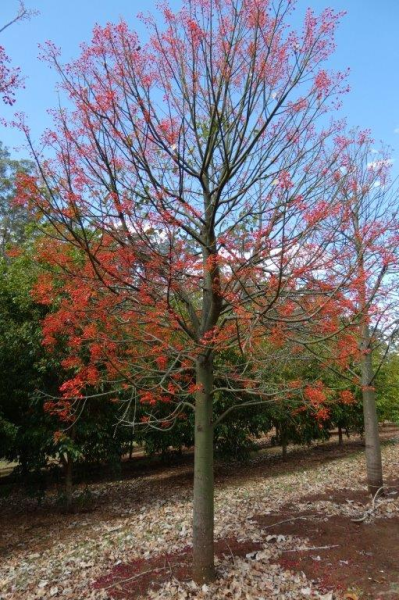
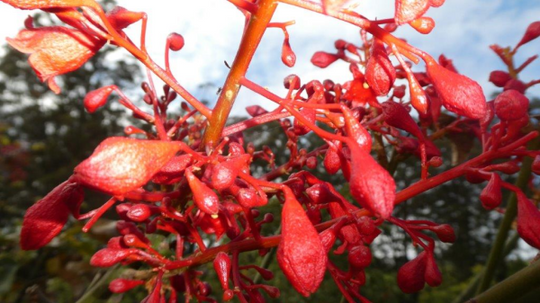
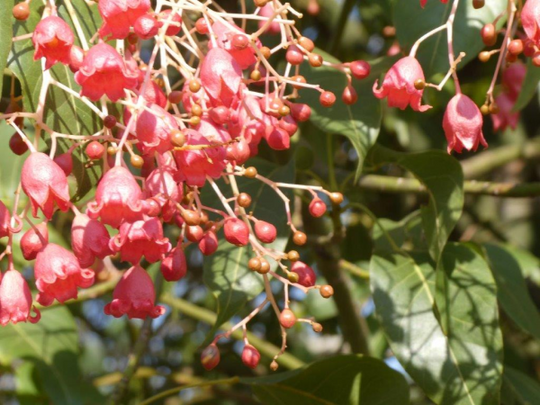
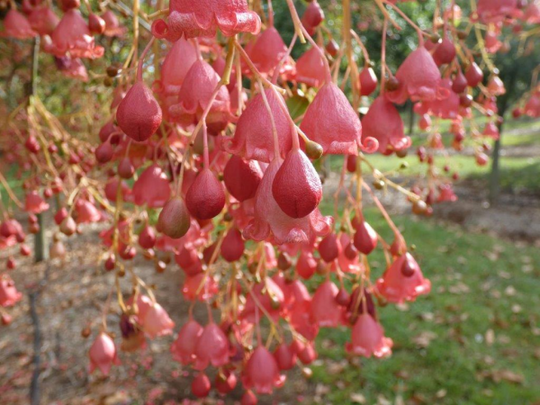
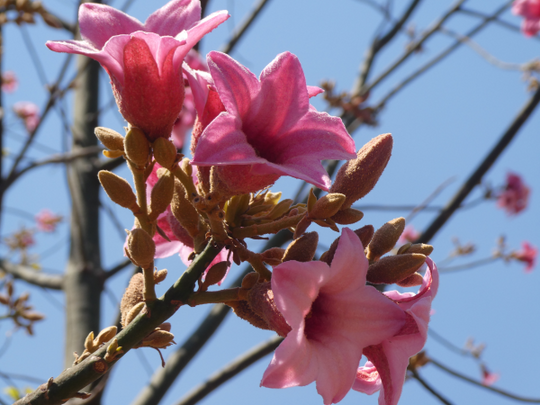
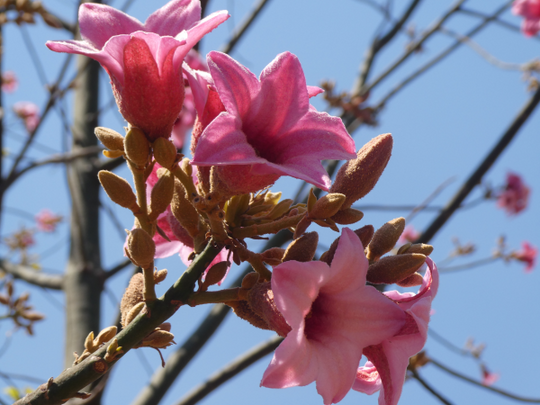
The broad-leaved bottle tree comes out of dry inland Australia and looks it, a tapering, swollen trunk, broad lobed leaves that thin out through the dry, and greenish-yellow bells in winter and spring. It is a tree built for heat and neglect, and it makes a sculptural object of both.
In the landscape
A tree for the hot, hard sites, western and inland projects, gravel courtyards, car park islands and anywhere irrigation is limited. The tapering swollen trunk is the reason to plant it, so give it a clean setting and light rather than crowding it with shrubs. Works singly as sculpture or in an avenue at 6–8 m centres, and pairs well with grasses and hard architecture.
Growing notes
Deciduous through the dry season and again around flowering, carrying greenish-yellow to cream bells in winter and spring. Native to inland and northern Queensland, so it suits inland and coastal Queensland, inland New South Wales and drier South Australian districts. Frost resistant, salt tolerant and very drought hardy once established. Sandy, loamy or acidic soils suit it best and drainage is not negotiable, it will not hold in waterlogged ground. Growth is slow to moderate, reaching roughly 6–10 m tall by 4–6 m wide in the ground.
This tree
| Size | Canopy width | Caliper | Standing |
|---|---|---|---|
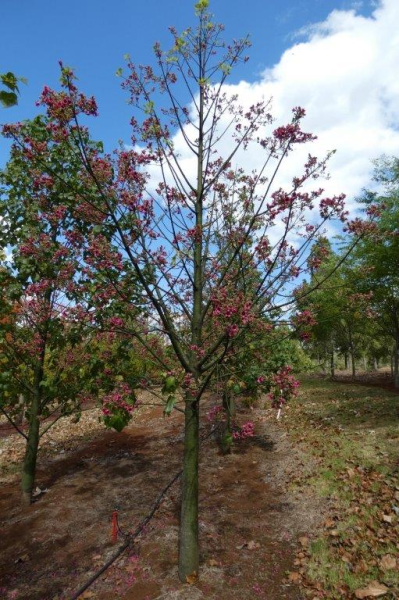
| 5.5–6.0 m | 2.5–3.0 m | 200 mm | 6 trees |
| 7.0–8.0 m | 3.0–3.5 m | 300–330 mm | 15 trees |
Field-grown ex-ground at Ravensbourne Farm, root-pruned and basket-lifted, delivered and craned Australia-wide. Price on application through the Shortlist.
Every numbered specimen travels with its Tree Passport: farm, row, year planted, root-management history and current measurements.